
So, you’ve just booked your first online session with me. You might be feeling nervous, a little anxious, or uncertain about what to expect — and that’s completely normal. In the past, clients have often said: “I’m so nervous, I don’t know what to expect.”
That’s why I like to give you a clear idea of what the first online session will feel like, where I will be and what you can expect to see on the screen when you log into Zoom. Sometimes, knowing exactly how the online session will work can make it feel less daunting. For parents, you can even share this with your adolescent so they feel more at ease too.
Why it helps: Research in environmental psychology shows that familiarity helps reduce anxiety. When you know what to expect — whether in person or online — it can help you feel more comfortable and settled.
What you will see:
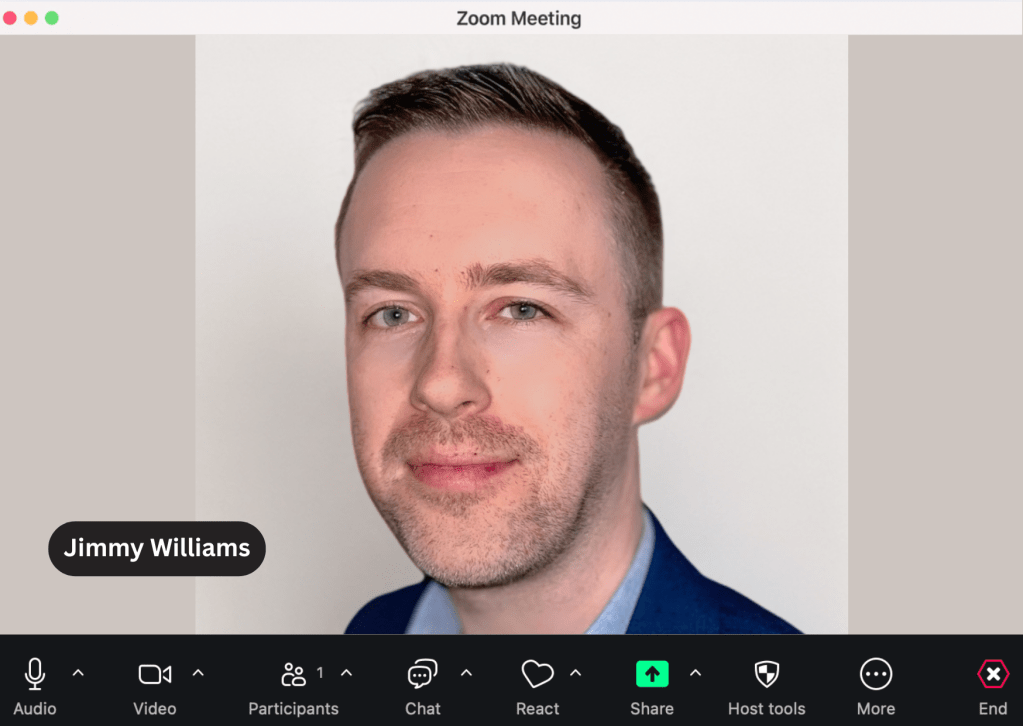
Preparing for Your Online Session – What You Will Need
- Find a quiet, private space where you feel comfortable talking. Privacy reduces distraction and helps people feel safe enough to open up. Studies highlight that client outcomes improve when they feel secure and unobserved during sessions.
- Test your technology (laptop, tablet, or phone) and check your internet connection. Bigger screens (like laptops or tablets) allow for clearer non-verbal communication, but phones work fine if that’s most comfortable. The NHS and APA both note device flexibility improves accessibility, but visual clarity can aid engagement.
- Have headphones ready if you’d like extra privacy. They increase privacy (others nearby can’t overhear), reduce background noise, and often improve audio quality. Telehealth guidelines recommend headphones to enhance confidentiality and client comfort.
- Bring a drink or notebook if it helps you feel more settled. Some clients like jotting down key points, strategies, or exercises to complete in between sessions. Research shows that CBT specifically benefits from note-taking and self-monitoring, which can improve recall and adherence to between-session work.
- A Drink of Water/Comfort Items. Small comforts (like tea, water, or even a blanket) can help regulate anxiety. Environmental psychology studies suggests “comfort cues” (familiar, soothing items) can lower arousal in unfamiliar contexts.

What Happens in Your First Session
Getting to know you:
We’ll start with some general questions about your life, experiences, and what’s currently challenging you. This is your chance to share what feels most important. Questions might include:
- “What brings you to therapy?”
- “What’s been hard recently?”
- “Tell me about your hobbies?”
- “What do you usually do when things feel stressful?”
Exploring your goals:
We’ll talk about what you’d like to get out of therapy and what changes you’d like to see in your life:
- “What would you like to get better at?”
- “What would you like to feel different?”
Understanding your experiences:
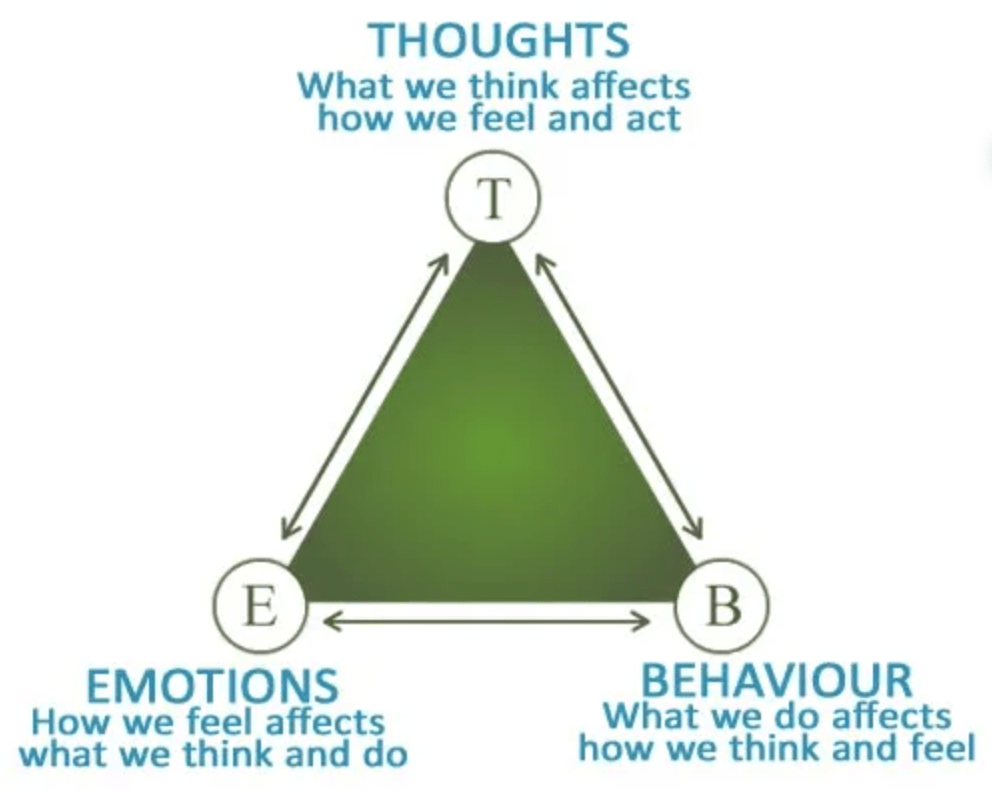
I’ll ask about the thoughts and feelings you’ve been having recently, and how these affect areas of your life such as sleep, mood, school, work, or relationships.
Going over important information:
I’ll explain how therapy works online, what confidentiality means, complete the necessary paperwork with you, and talk through the structure of sessions.
Introducing Cognitive Behavioural Therapy (CBT):
I’ll explain what CBT is, how it works, and how it can be applied to your situation. You’ll leave with a clear understanding of CBT and an information sheet you can keep will be shared with you via email.
An example of one of the first exercises you will see in session one when I share my screen:
Answering your questions:
At the end, there’s space for you to ask anything about therapy, the process, or me. There’s no pressure to know all the answers right away.
What to Expect from Online Therapy
- No pressure — the first session is about starting a conversation, not having everything figured out.
- Relief and clarity — many people leave feeling heard and understood.
- Support at your own pace — we go step by step, at a speed that feels right for you.
Starting therapy is a brave decision. My role is to make your first online session as welcoming, safe, and supportive as possible, so you can begin this journey with confidence.
✨ Key Message for Clients:
You don’t need to prepare anything special — just a private space, a working device, and (if possible) headphones. A notebook and drink can also help you feel settled.
 Jimmy Williams, Cognitive-Behavioural Therapy